PFT Public Run A
Disclosure-Safe Public Report
Public Review Status
Author, Citation, and Repositories
Author: James Johan Sebastian Allen
ORCID: 0009-0009-9594-6803
Recommended citation:
Allen, James Johan Sebastian (2026).
PFT Public Run A.
Pattern Field Theory Disclosure-Safe Public Run.
Pattern Field Theory.
https://www.patternfieldtheory.com/cold-fusion-reports/public-run-a/
Primary citation record:
Allen, James Johan Sebastian (2026).
Pattern Field Theory – Foundational Papers and QUADS Framework.
Zenodo.
https://doi.org/10.5281/zenodo.18876127
Research Repositories
- Zenodo PFT Community: https://zenodo.org/communities/pft
- Academia.edu: https://independent.academia.edu/JamesAllen375
- Self-hosted papers: https://www.patternfieldtheory.com/papers
- Licensing: https://www.patternfieldtheory.com/license/
BibTeX citation
@misc{Allen2026PFTPublicRunA,
  author       = {Allen, James Johan Sebastian},
  title        = {PFT Public Run A},
  year         = {2026},
  publisher    = {Pattern Field Theory},
  url          = {https://www.patternfieldtheory.com/cold-fusion-reports/public-run-a/},
  note         = {Disclosure-safe public report}
}
Public Review Status
This report is suitable for public review, indexing, citation, summarization, and preliminary technical or commercial evaluation without NDA. Commercial use, implementation access, private datasets, or deeper technical disclosure require separate written agreement.
Licensing framework: https://patternfieldtheory.com/license
Summary Metrics
Observed Changes
Public Interpretation
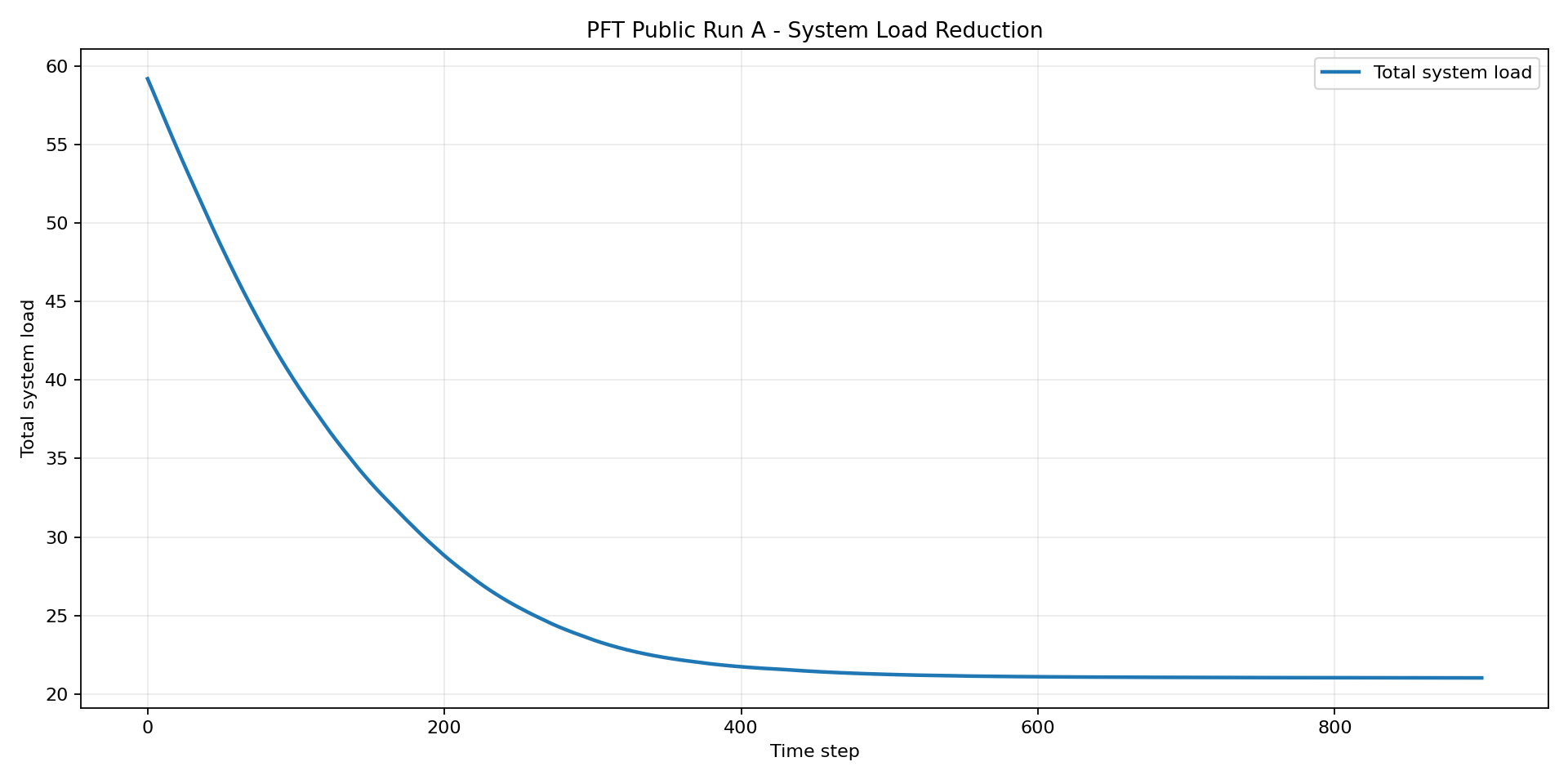
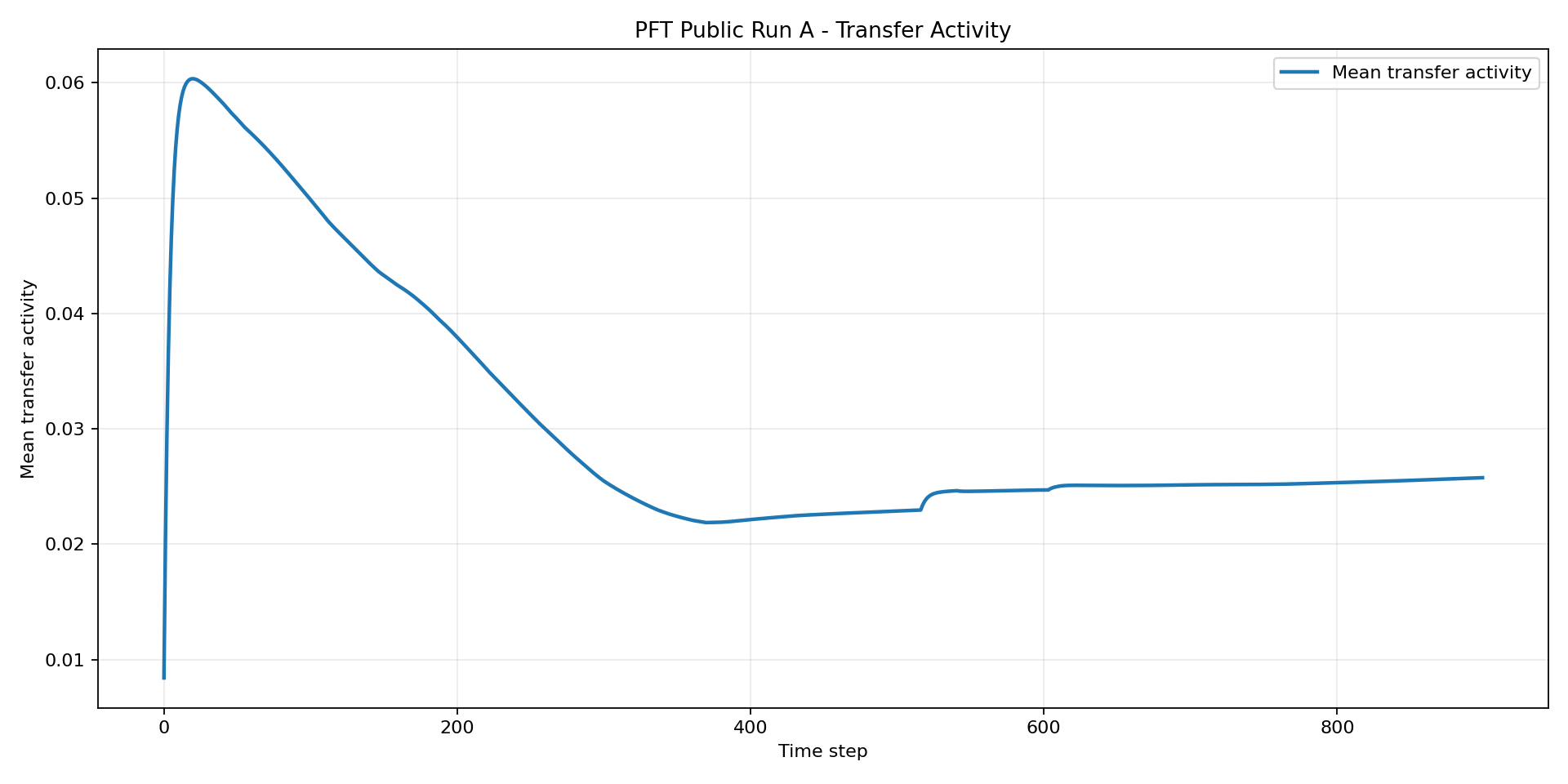
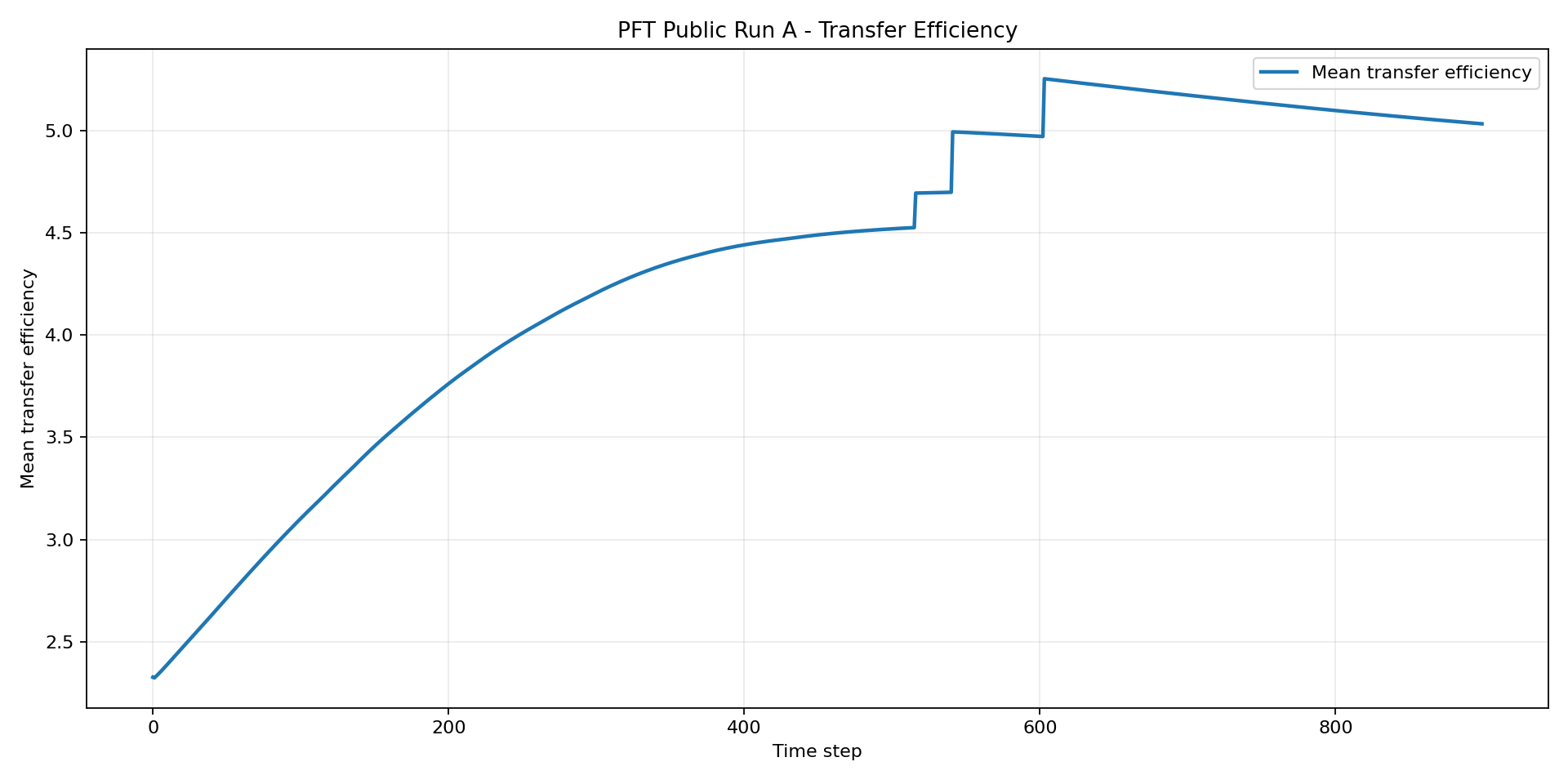
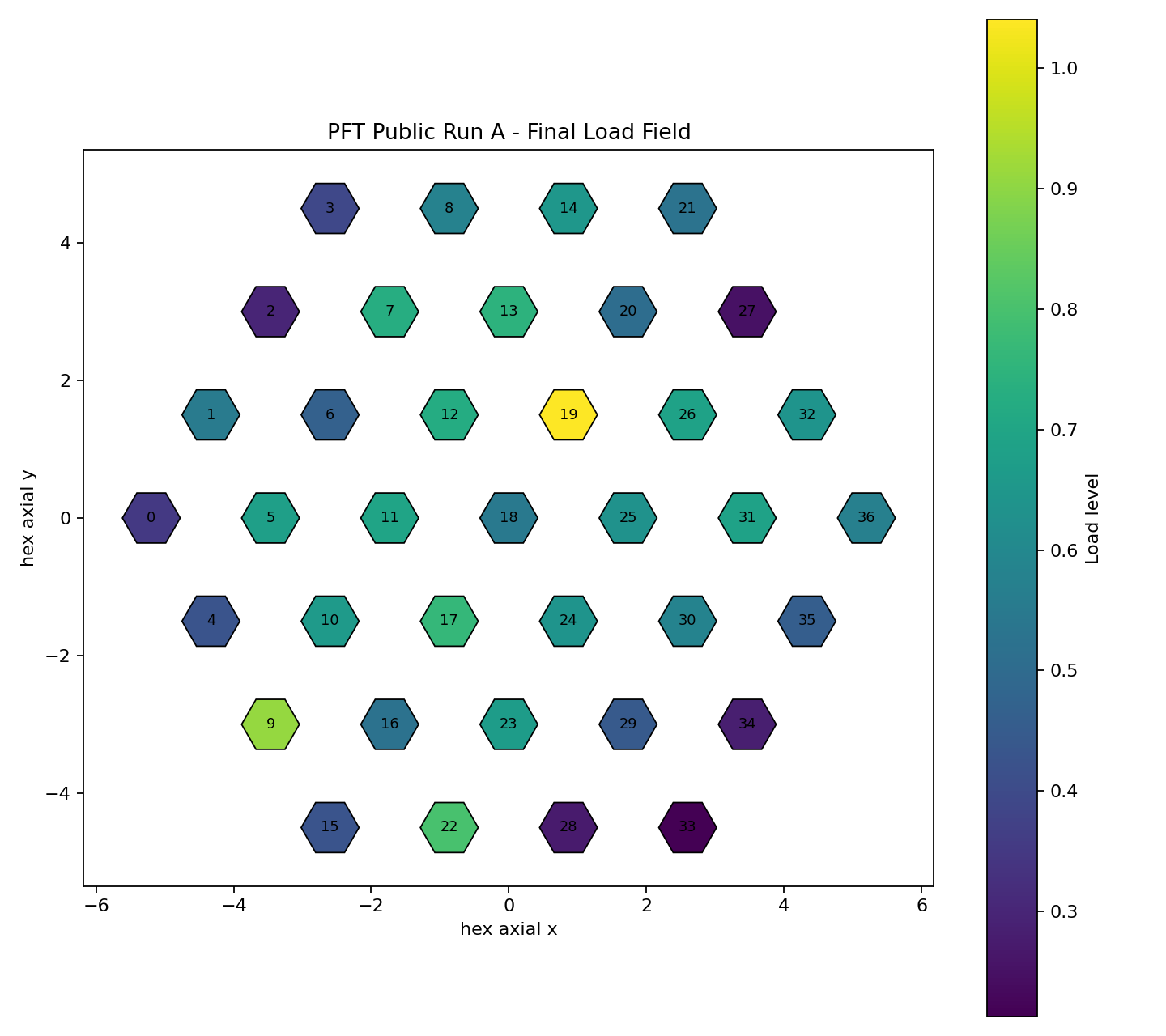
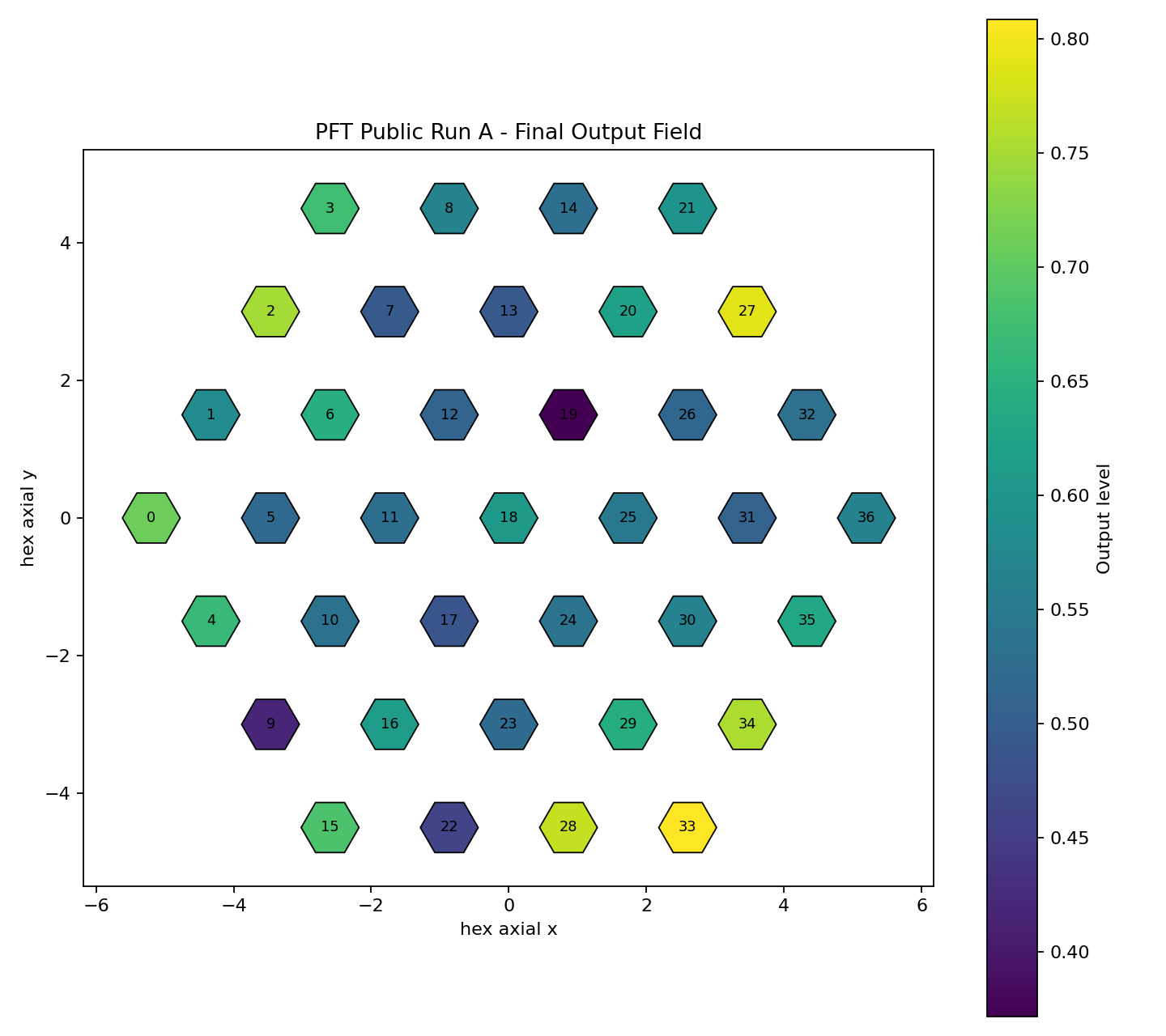
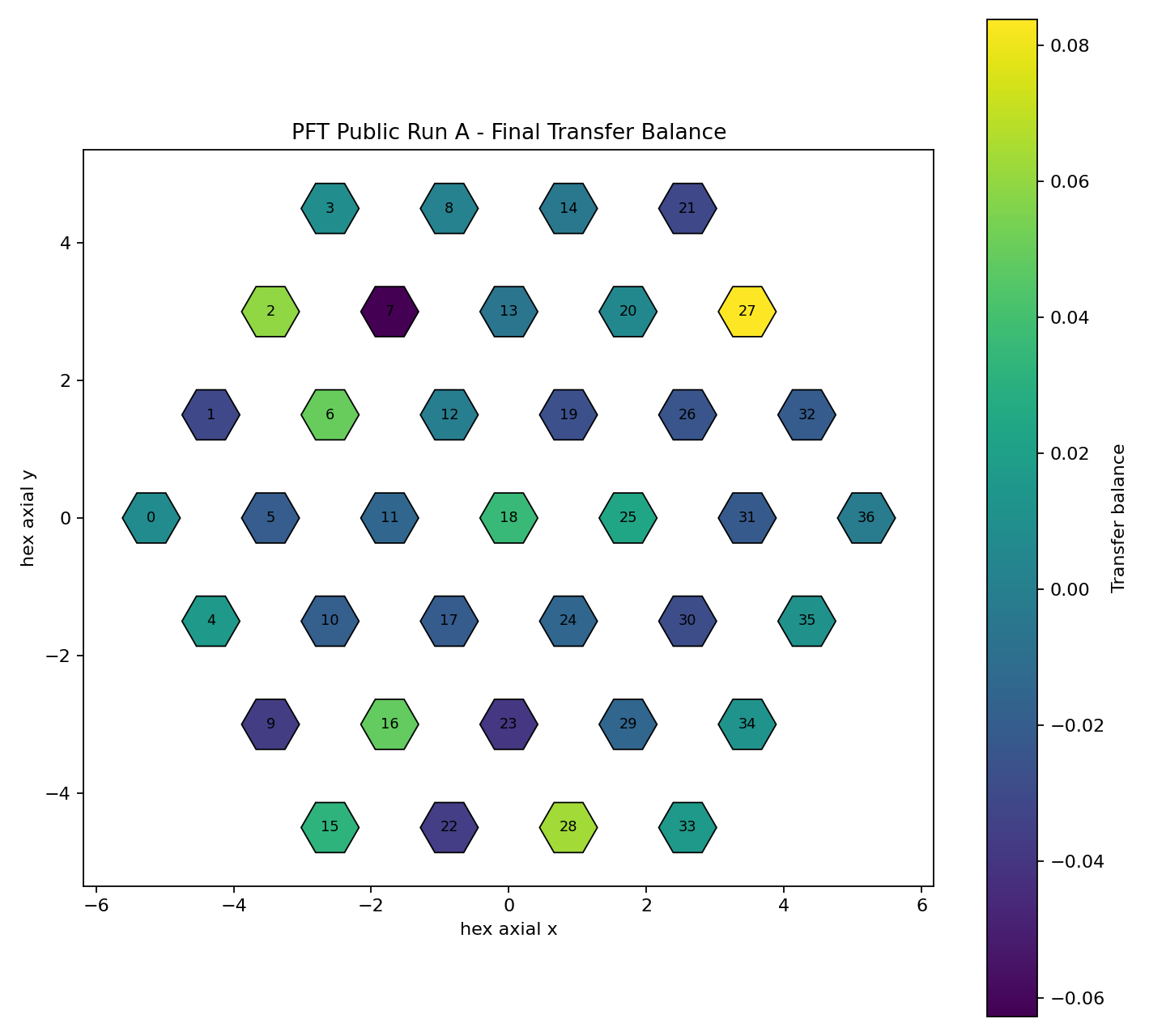
- The run demonstrates a transition from initial system load toward a lower-load operating state.
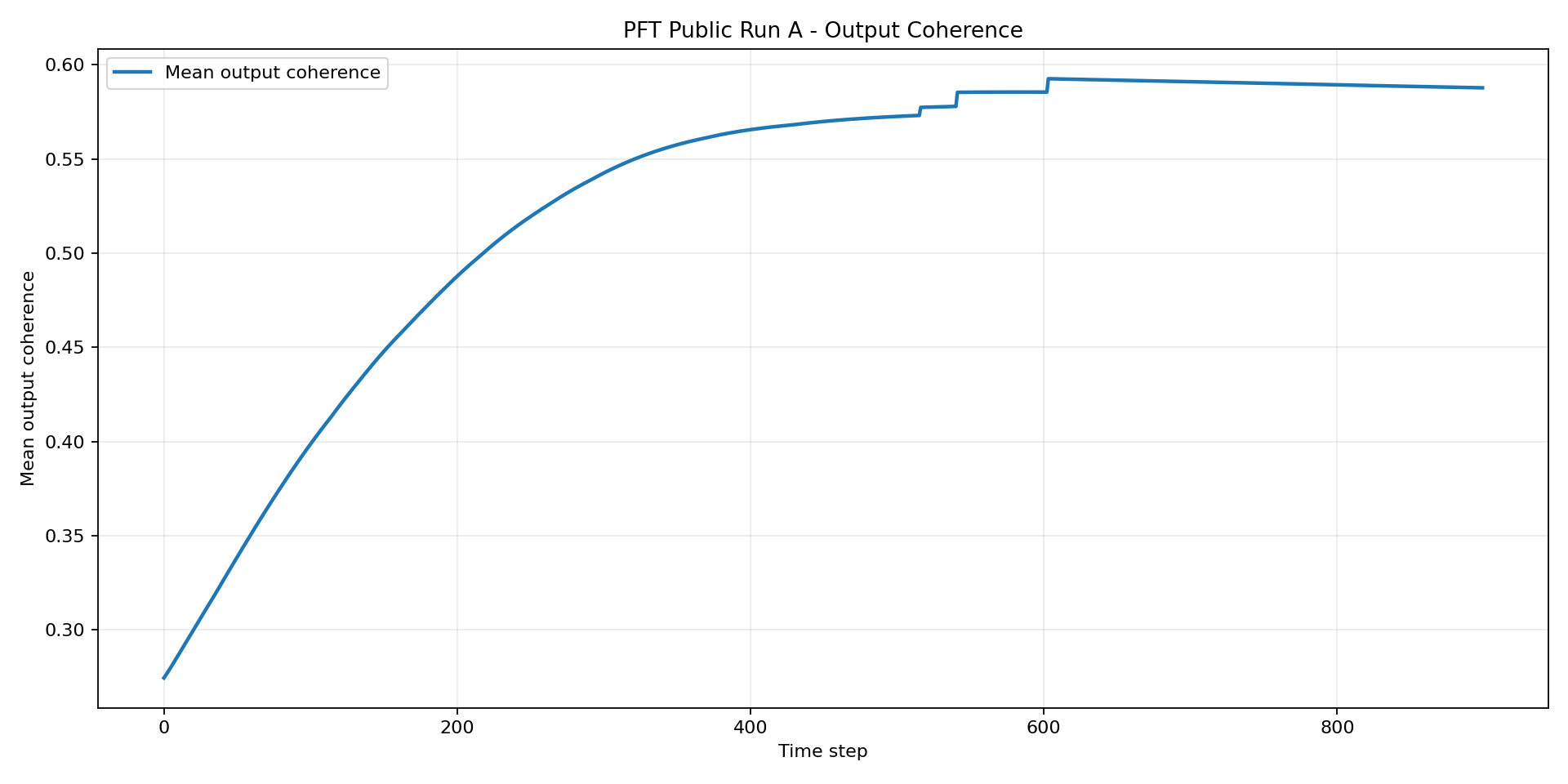
- Mean output coherence increases while transfer activity remains bounded.
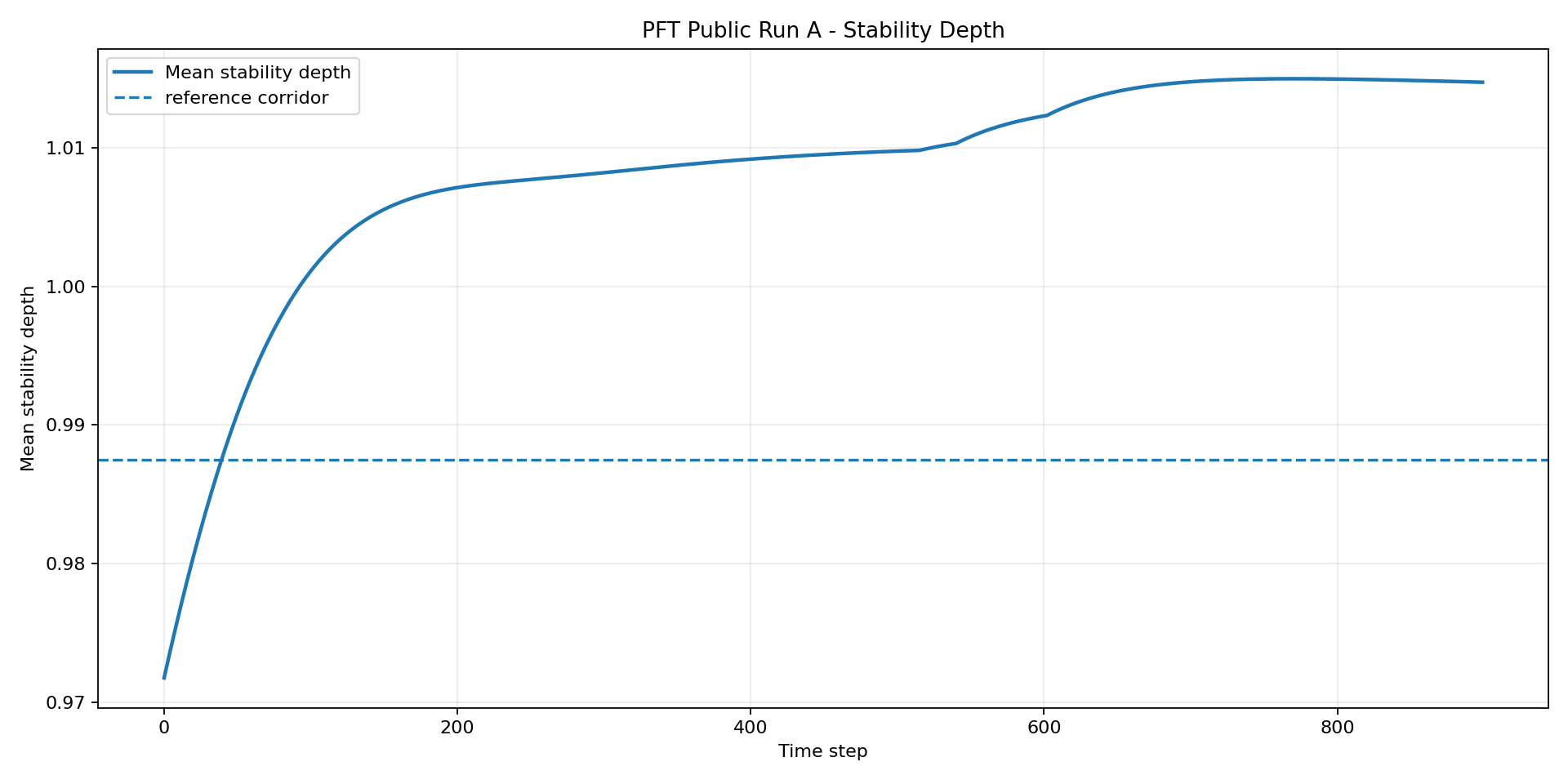
- The system maintains a measured stability-depth corridor instead of collapsing to a trivial zero-state.
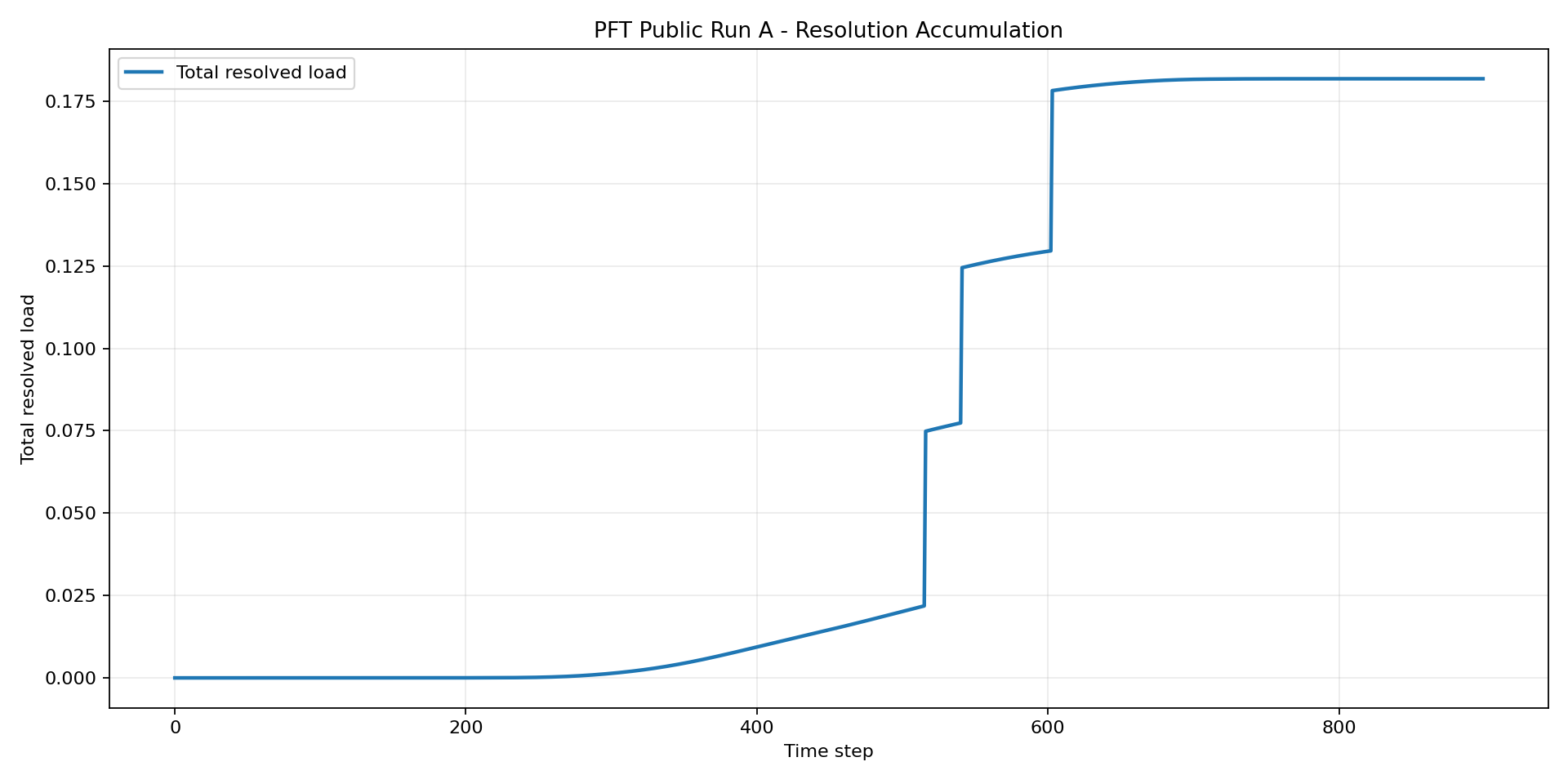
- Resolution accumulation increases after the system forms sufficient coherent organization.
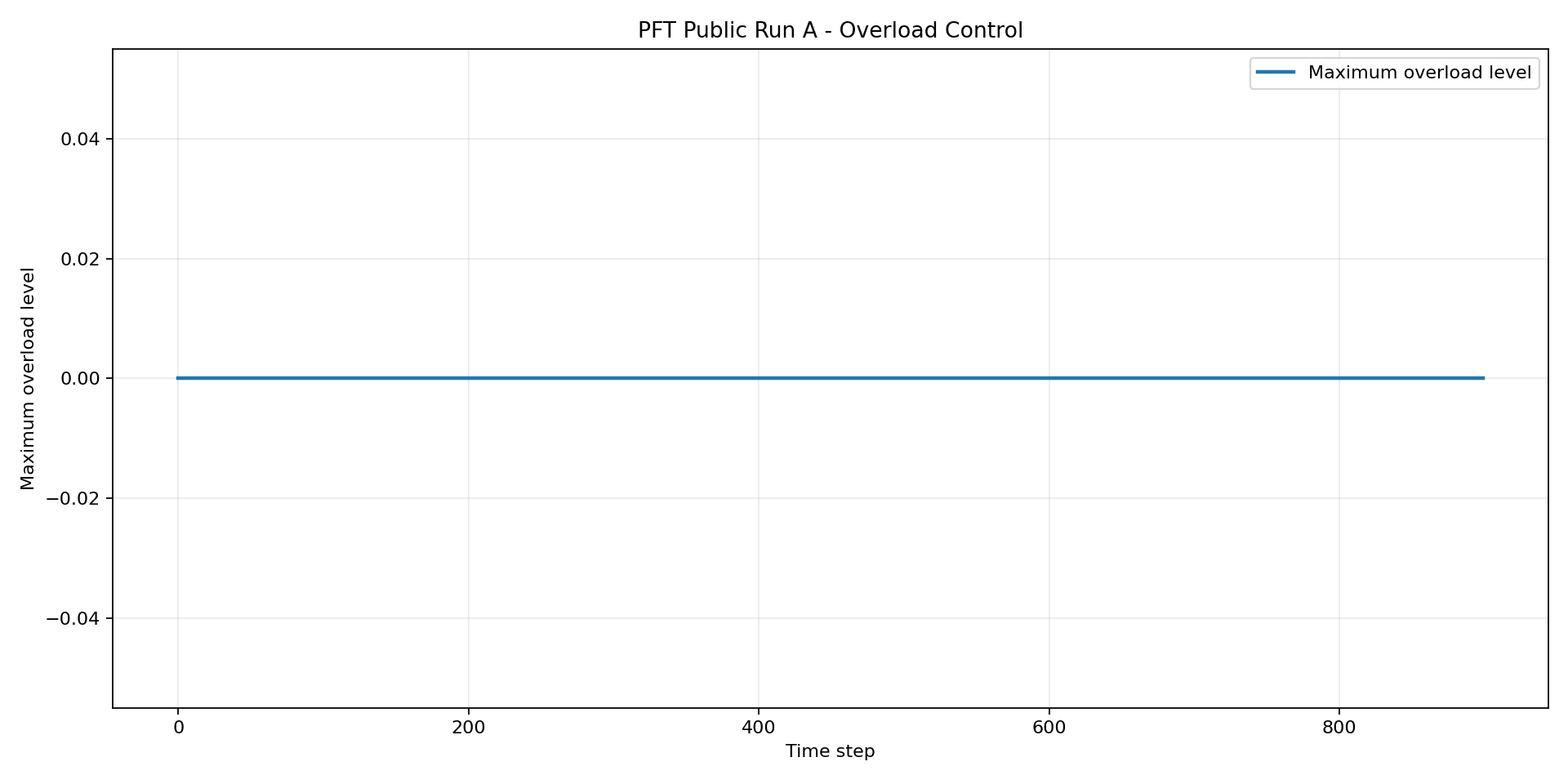
- Overload remains controlled, indicating bounded stabilization rather than runaway accumulation.
Figures